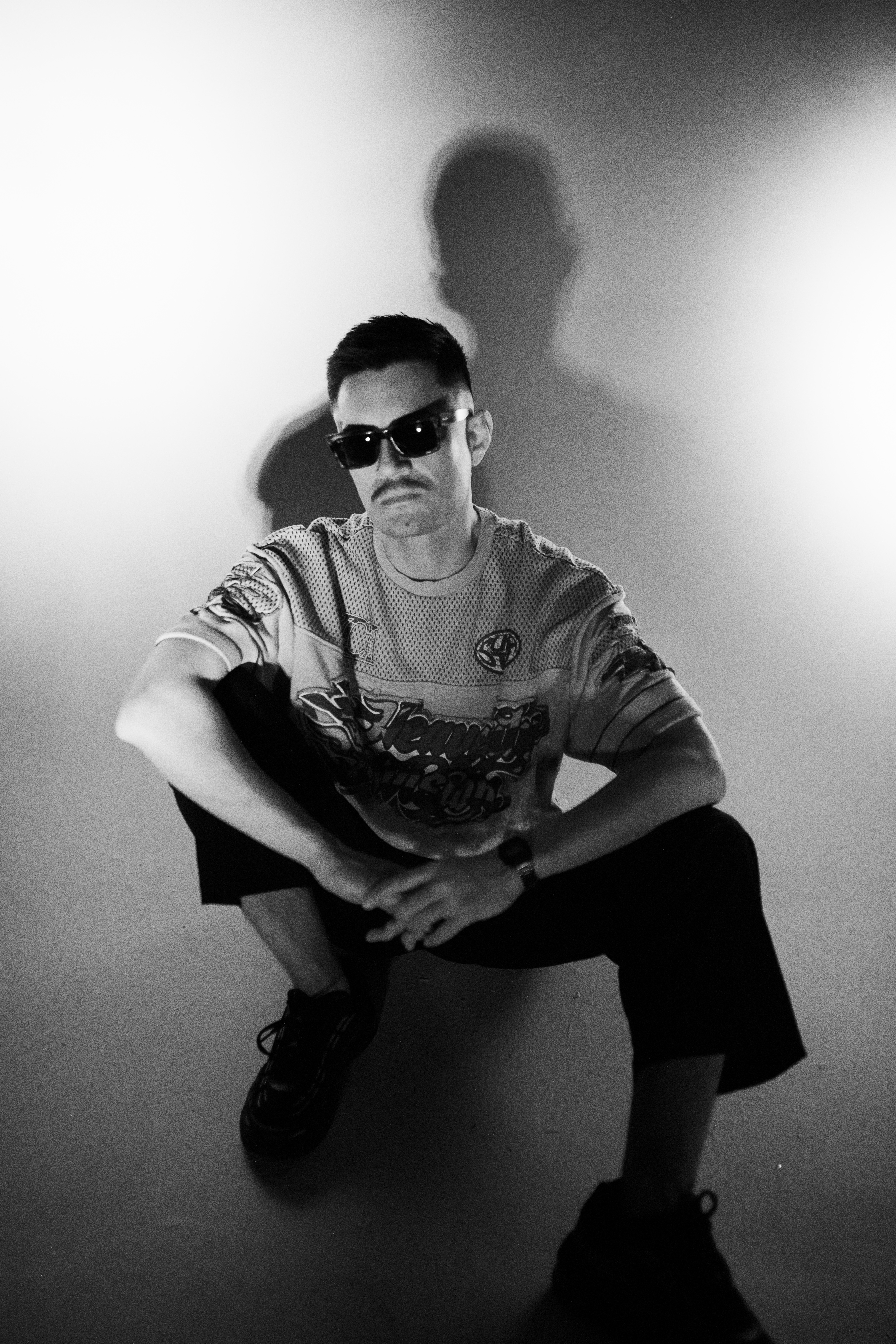
I've played in Australia, Colombia, Brazil, and the US. Every time I moved to a new city, I had to figure out the same thing: how do I get booked here?
The answer was always the same. And it was never what I expected.
The Best Advice I Ever Got
When I moved to Nashville, a good friend of mine, Hotboxx, gave me a piece of advice that changed everything. He said: support the local clubs and the local DJs.
That's it. That's the whole strategy.
The funny thing is, when I really thought about it, I'd already been doing this in every city I'd lived in. I just didn't realize it. When you move to a new city or a new country, you naturally start finding your way. You find your favourite spots, your sounds, your restaurants, your parks, the places that feel like you. That's what humans do. And finding your scene as a DJ is exactly the same thing.
I'd assumed each city had its own mechanics. Different rules, different paths in. And while some cities do have their quirks, the core principle is universal. It doesn't matter if you're in Sydney, Medellín, São Paulo, or Nashville. The DJs who get booked are the ones who show up, support the scene, and build real relationships.
Why Cold DMs Aren't the Answer
I know the temptation. You open Instagram, find a promoter or a club, and send them a message with your mix attached. Maybe you get a gig out of it. Maybe.
But in my experience, that's not how lasting bookings happen. A cold DM puts you in a pile with dozens of other strangers asking for the same thing. The promoter doesn't know you, hasn't seen you at their events, and has no reason to trust that you'll bring the right energy to their night.
Cold outreach can supplement your efforts, but it should never be the foundation. The foundation is presence.
What "Supporting the Scene" Actually Means
Here's what I don't mean: go to every event, stay for every afters, and party until the sun comes up.
Let me be honest about afters. As artists, we all know the reality. There's a lot of talk at 6am. Big plans, promises, ideas. But most of it evaporates by Monday. People don't remember half the conversations they had. That's not a judgment. It's just how it works. So if your entire networking strategy is based on after-hours conversations, you're building on sand.
What I do mean by supporting the scene:
- Show up consistently. Go to the nights that match your sound. Not once. Regularly. Promoters and resident DJs notice who comes back.
- Be a good person in the space. Show respect. Don't be the person causing problems, getting too wasted, or being difficult. Your reputation at the venue matters more than your mix.
- Build relationships with everyone. Not just the promoters. The door staff. The bartenders. The sound engineer. The lighting person. The cleaning crew. These people are the backbone of the venue, and they talk. When you treat everyone with respect, word gets around.
- Support the resident DJs. Listen to their sets. Share their mixes. Go to their events not because you want something from them, but because you genuinely appreciate what they do.
The key word in all of this is genuine. People can tell when you're showing up just to show face versus when you're actually there because you love the music and the community. Be authentic and everything falls into place.
Human First, Artist Second
This is the part most DJs get backwards. They lead with "I'm a DJ, book me." But nobody books a stranger. They book someone they know, someone they trust, someone they've seen around.
Show your human side before your artist side. Have real conversations. Be interested in other people's work. Contribute to the community in ways that have nothing to do with getting a gig. When the time is right, when people already know who you are and what you're about, the bookings come naturally. And they're quality bookings, because they're based on a real relationship, not a cold pitch.
The connections you build this way last. A promoter who books you because they know you and trust you will book you again. A promoter who books you off a cold DM might not remember your name next month.
Do Your Research
Supporting the scene doesn't mean going everywhere blindly. Be intentional about where you spend your time.
- Use Resident Advisor. Search for clubs and events in your city. Filter by genre. Find the nights that actually match your style and sound. There's no point showing up to a hard techno night if you play deep house.
- Research the resident DJs. Listen to their mixes. Understand what they play. When you show up and can have an actual conversation about the music, that means something.
- Find your tribe. Not every club or collective will be your people. Find the ones where you feel at home, where the music resonates with what you do. That's where you want to build.
This research also protects your time and energy. You don't need to go to five events a week. Go to two that really matter to you. Consistency at the right places beats sporadic appearances everywhere.
The Afters Trap
I want to come back to this because it's important. Afters can be fun. Sometimes they're great. But don't mistake afters networking for real relationship building.
A conversation at 6am where someone says "yeah bro, we should totally link up, I'll get you on a lineup" means almost nothing. Not because the person is lying. They probably mean it in the moment. But the follow-through rate is close to zero. That's just the reality of those situations.
Real relationships are built in the early hours of the night, at the bar, in line at the door, over coffee the next week. They're built on repeated interactions where people are present and sober enough to remember you.
Be Patient, Be Consistent
This approach isn't fast. You won't get booked in two weeks. But the bookings you do get will be meaningful. At venues you actually care about, with promoters who actually know you, in front of crowds that match your sound.
Every city I've moved to, I've started from zero. And every time, the path was the same: show up, support, be a good human, and let the music speak when the opportunity comes.
It works in Sydney. It works in Medellín. It works in Nashville. It'll work wherever you are.
Get Your House in Order
While you're building these relationships, make sure you have something to show when someone asks "do you have an EPK?" or "can I hear your stuff?"
You need a single link you can share that has your bio, your music, your photos, and your contact info all in one place. Not an Instagram page. Not a Google Drive folder. A proper press kit.
This is actually why I built Blót. I kept running into the same problem every time I moved to a new city. I'd finally get the conversation going with a promoter, they'd ask for my stuff, and I didn't have one clean link to send them. So I built the tool I wished I had. You can see my own EPK at juan.blo7.com. It takes five minutes to set up and it's free.
When the moment comes and a promoter says "send me your stuff," you want to be ready.
But remember: the EPK gets you considered. The relationship gets you booked.